Employee Brand Equity Content Analysis on TikTok @nadalasido as Employee Generated Content of PT Paragon
Analisis Konten Ekuitas Merek Karyawan di TikTok @nadalasido sebagai Konten yang Dihasilkan Karyawan PT Paragon
DOI:
https://doi.org/10.21070/kanal.v14i2.2031Abstract
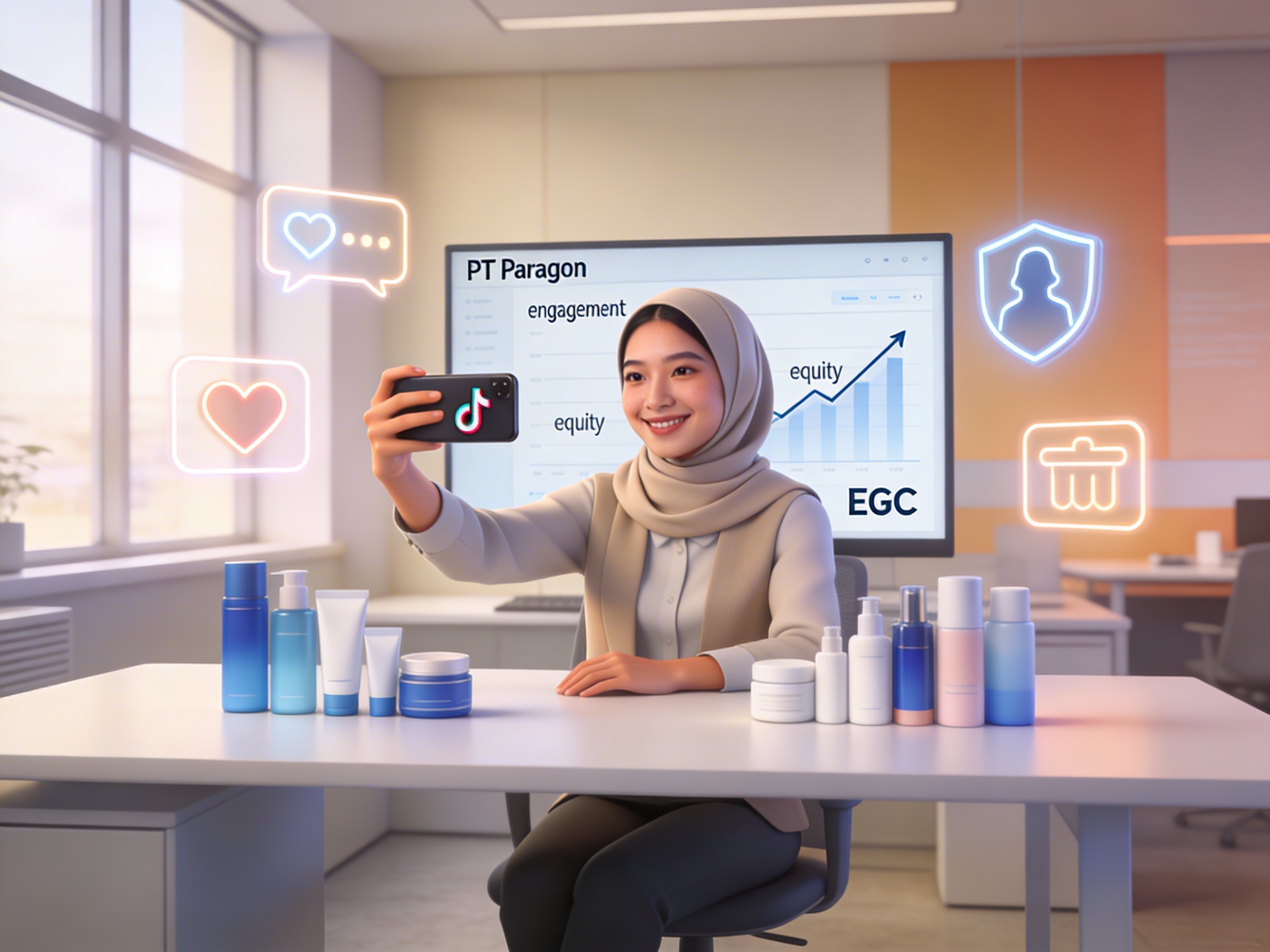
Digital developments lead companies to continuously innovate regarding promotions and corporate image to reach a wider audience. This study aims to determine the formation of Employee Brand Equity through Employee Generated Content using the @nadalasido account as a representation of PT Paragon’s employee creators. The research method uses qualitative with descriptive content analysis methods, with primary data sources taken directly from @nadalasido’s Tiktok videos related to the concepts of EBE and EGC. Data collection is carried out through documentation and tested through theory triangulation. The analysis of this study indicates that brand value representation can be formed naturally through employee’s digital expressions on personal accounts. The most prominent EBE element is Brand Consistent Behaviour, evident in consistent behaviour, visuals, and narratives that reflect PT Paragon’s value of professionalism, collaboration, and positive culture. Brand llegiance emerges through expressions of pride and enjoyable work experience, while Brand Endorsement emerges through of appearance of company products in everyday contexts without direct promotion. These findings demonstrate that employee creator can act as effective brand communicators. Thus, EGC contributes to strengthening EBE and helps build PT Paragons’s brand image in the digital space, particularly through TikTok.
References
Adawiyah, D. P. R. (2020). Pengaruh Penggunaan Aplikasi TikTok Terhadap Kepercayaan Diri Remaja di Kabupaten Sampang. Journal of Communication, 14(2), 135–148.
Aisha Bertianto, S. (2025). Konten Personal Sebagai Strategi Soft Selling pada Video Tiktok Affiliate terhadap Audiens Gen Z. JIMU: Jurnal Ilmiah Multi Disiplin, 03(04), 3031–9498.
Angioni, S. A., Giansante, C., Ferri, N., Ballarin, L., Pampanin, D. M., Marin, M. G., … Barile, N. B. (2021). Analisis Wacana Mengatasi Perasaan Insecure dalam Buku Insecurity Is My Middle Name Karya Alvi Syahrin. Fisheries Research, 140(1), 6.
Aulia, N. S., & Prabayanti, H. R. (2026). Pengaruh Kredibilitas Sumber dalam Employee Generated Content terhadap Brand Image PT.RANS Kosmetika Indonesia di TikTok pada Generasi Z. TheCommercium, 10(1), 163–174. Retrieved from https://www.preventionweb.net/news/preliminary-report-february-6-2023-earthquakes-turkiye
Erkmen, E. (2018). Managing your brand for employees: Understanding the role of organizational processes in cultivating employee brand equity. Administrative Sciences, 8(3). https://doi.org/10.3390/admsci8030052
Firlian, M., Pangyasa, N., Pratiwi, M. T., Unggul, U. E., Understanding, E. B., & Psychological, B. (2023). Pengaruh Brand Empowerment terhadap Brand Psychological Ownership , Employee Brand Understanding , dan Employee Brand Equity pada Karyawan Retail Bagian Pelayanan di Bekasi. JURNAL KELOLA: Jurnal Ilmu Sosial, 6(2), 103–117.
Iskandar Arifin, S. R. (2025). Pengaruh Digitsl Brand Personality Kampus Terhadap Perilaku Kewargaan Mahasiswa Ekonomi , dan Akuntansi ). Jurnal Ilmiah MEA (Manajemen, Ekonomi, Dan Akuntansi), 9(1), 588–602.
Li, L. (2022). Perception of Justice and Employees’ Brand-Based Equity in the Service Sector: Evidence From Education Industry. Frontiers in Psychology, 13(April), 1–14. https://doi.org/10.3389/fpsyg.2022.871984
Muttaqin, M. I., Amiruddin, M., & Nurhalimah, E. (2025). Telaah Strategi Dakwah yang Efektif Secara Komunikatif dari Akun Instagram @ penting _ ngaji _ melalui Perspektif Teori Etika digital sebagai media utama dalam menyampaikan pesan keislaman . Namun demikian , di Model dakwah seperti ini dapat dilihat sebag. 5(November).
Mwita, K. M. (2022). Factors influencing data saturation in qualitative studies. International Journal of Research in Business and Social Science, 8(6), 414–420. Retrieved from https://www.academia.edu/download/71189556/Leadership_and_Organizational_Distress_Review_of_Literature.pdf
Putri, S. F., & Azwar. (2025). Qualitative Content Analysis Of Health Crisis Information On The Ministry Of Health Website. Jhss (Journal of Humanities and Social Studies), 9(3), 231–236. https://doi.org/10.33751/jhss.v9i3.110
Ramadhani, S. N. (2025). Tiktok Features On Adolescent Communication Patterns: A Systematic Literature Review. 2(2), 10–18. Retrieved from https://journal.unesa.ac.id/index.php/commedies/article/view/44917
Rosyida, R. H. (2022). Pengaruh Inovasi Produk, Desain Produk, dan Kualitas Produk Terhadap Keunggulan Bersaing Pada PT Paragon Technology And Innovation di Yogyakarta. UII.
Safrudin, R., Zulfamanna, Kustati, M., & Sepriyanti, N. (2023). Penelitian Kualitatif. Journal Of Social Science Research, 3(2), 1–15.
Saleem, F. Z., & Hawkins, M. A. (2021). Employee-generated content: the role of perceived brand citizenship behavior and expertise on consumer behaviors. Journal of Product and Brand Management, 30(6), 819–833. https://doi.org/10.1108/JPBM-05-2020-2908
Sangadji, F. A. P., Fitri, A. C. S., Sitanggang, D. A., Hidayat, R., & Ikaningtyas, M. (2024). Peran Media Sosial Tiktok Sebagai Platform untuk Pengembangan Bisnis di Era Digital. KARYA : Jurnal Pengabdian Kepada Masyarakat, 4(1), 143–149.
Smith, D., Jacobson, J., & Rudkowski, J. L. (2021). Employees as influencers: measuring employee brand equity in a social media age. Journal of Product and Brand Management, 30(6), 834–853. https://doi.org/10.1108/JPBM-03-2020-2821
Suhairi, Siregar, I. S., Nurhadiah, Leli, N., & Handayani, R. T. (2023). Pemanfaatan Media Sosial sebagai Alat Komunikasi Massa dalam Memperluas Jangkauan dan Meningkatkan Interaksi dengan Konsumen. Jurnal Mirai Management, 8(2), 436–444.
Susanto, D., Risnita, & Jailani, M. S. (2023). Teknik Pemeriksaan Keabsahan Data Dalam Penelitian Ilmiah. Jurnal QOSIM Jurnal Pendidikan Sosial & Humaniora, 1(1), 53–61. https://doi.org/10.61104/jq.v1i1.60
Thabroni, G. (2021). Pengertian Metode Penelitian.
Tomé, C. R. (2023). A Utilização do Employee-Generated Content nos Social Media e o Engagement dos Colaboradores.
Trisnawati, A., Amelia, I., Surya, M. I. H., Ripaldi, M., Destiani, S., & Ardiyanto, D. (2025). Peran Media Sosial sebagai Alat Transformasi Komunikasi Promosi di Era Digitalisasi. 4, 4414–4421.
Tysara, L. (2022). Profil PT Paragon Technology and Innovation, Perusahaan Kecantikan Indonesia.
Ulfa Yuniat, et. al. (2019). Komunikasi dan Multikultularisme di Era Disrupsi : Tantangan dan Peluang (Vol. 11).
Wakhid, B. N., Budiyanto, C. W., & Siyamtiningtyas, Y. (2024). Analysis of Project-Based Learning Model on the Learning Styles of PPLG SMK Negeri Students in Surakarta. IJIE (Indonesian Journal of Informatics Education), 7(2), 140. https://doi.org/10.20961/ijie.v7i2.81689
Yeti, N. (2025). Bahasa, Simbol, dan Makna: Analisis Antropologi Budaya Dalam Komunikasi Masyarakat. BASADYA: Jurnal Ilmu Bahasa, Sastra, Dan Budaya, 1, 14–20.
Downloads
Published
How to Cite
Issue
Section
Categories
License
Copyright (c) 2026 Athaya Fairuzawa

This work is licensed under a Creative Commons Attribution 4.0 International License.